Language that blames the user kills trust before it can start.
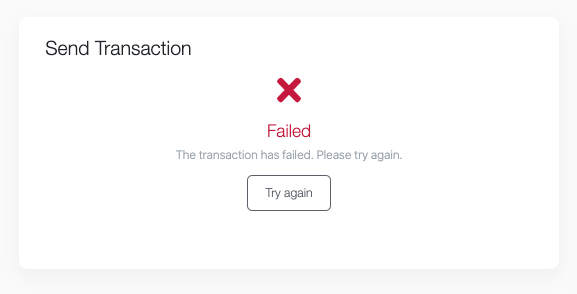
These are not error messages. They’re accusations.
When something breaks, users aren’t thinking,
“Oh, I’ve violated the protocol rules.” They’re thinking,
“Did I break something? What do I do now?”
And yet Web3 UIs respond with cold, vague, hostile language — as if the user should have known better.
It’s the equivalent of a waiter saying,
“You ordered wrong.”
The most common traits of Web3 error copy:
You can’t afford this in Web3 — where one broken interaction can make a user disappear forever.
Designers rarely write error copy. It’s left to engineers.
And engineers write what they see:
But UX writing isn’t about technical accuracy. It’s about making users feel seen — especially when something breaks.
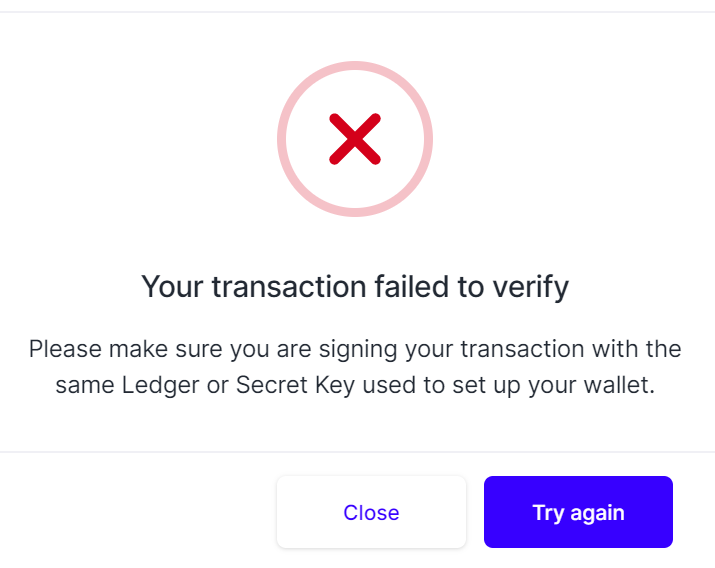
Every broken flow is a moment of vulnerability. And in those moments, users are looking for:
If your product can meet them there, you turn frustration into trust.
It’s the architecture of fallback.
Design for what breaks, not just what works. And when it breaks, speak like a guide — not a judge.
A broken flow doesn’t break trust. A badly written error does.
Why does your error message make it feel like I messed up? was originally published in Coinmonks on Medium, where people are continuing the conversation by highlighting and responding to this story.





