Most days, coins tied to real-world values help calm wild swings in digital money. Still, more people using them means tougher rules on tracking cash flows, proving identity, backing funds properly, plus questions about how safe the whole system stays.
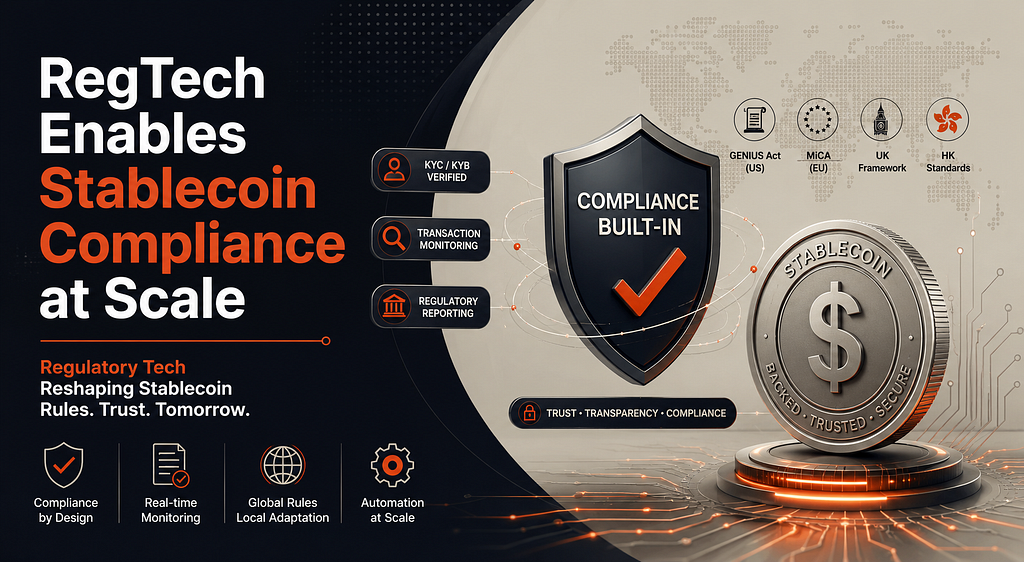
Finding its place right where pressure builds. With help from smart algorithms, self-running processes, or shared digital ledgers, rules slip quietly into daily work, what once weighed heavy now moves like wind behind sails.
This shift matters more now because rules such as the US GENIUS Act and EU MiCA start shifting ground between 2025 and 2026.
Now comes a wave of pressure on stablecoin creators, watching every payment as it happens, checking names against sanction lists, proving they hold enough backup funds, being ready to lock up money when told. Old-school ways of staying compliant fall short, unable to keep pace with how fast blockchains move and how much data flows through them.
Tools powered by technology handle tasks that used to need many people checking details. Instead of large teams, software follows coded agreements or learns patterns to judge risks. These systems help companies follow shifting laws across countries while keeping new ideas moving and services smooth.
Fresh shifts are happening fast. Built-in rules now run on their own. Code steps in when checks are needed. If a wallet lacks approval, movement stops instantly. Transactions freeze if destinations appear on watchlists. Timing stays tight, no delays, just immediate response.
Now compliance moves ahead of violations instead of chasing them, cutting down illegal activity without slowing transaction speed.
Out of nowhere, machine smarts cut down mistaken alerts during money tracking while making sign-ups faster. Because risks change, background checks now shift with how people act instead of sticking to rigid rules.
From a single wallet, movement of money spreads through tangled digital paths, analytics make sense of it. When rules such as the GENIUS Act apply, those who issue steady-value coins must stay within BSA lines at all times. Built-in tech lets them answer when authorities come calling about transactions.
What happens next? Spending less to run things, getting sign-offs more quickly, while also making it harder for criminals to exploit money systems.
Across different places like the US, EU, UK, and Hong Kong, rules keep changing. Because of that, tools which track new laws become extremely useful. One after another, these systems show what is required where. They guide companies through legal duties in each area.
Instead of guessing, firms rely on updated guides to stay compliant. That way, mismatches between regions do not turn into problems. Operations run steadily when everyone follows aligned standards.
Key challenges addressed:
When regulations shift, systems using natural language processing quietly monitor changes for compliance staff. These tools adjust in real time, feeding updates without delay. As new policies emerge, automated tracking steps in, keeping pace behind the scenes.
Start strong with RegTech, costs for staying compliant tend to drop, sometimes more than half. Trust grows too, both from officials and people using the services. Scaling across borders becomes doable without heavy lifting. Instead of paperwork loops, teams shift energy toward building new features. Product progress speeds up when routine reports fade into background.
A practical roadmap includes:
Folks who jumped in first now notice how much easier it is to get licenses approved, while universities begin joining the trend. What started quietly has slowly picked up pace across campuses.
When stablecoins become more common in payments and DeFi, oversight tools will shift too, slipping quietly into systems so officials check rules right inside open ledgers. Compliance won’t need extra steps; it’ll just be there, built in, visible without special access.
Whoever sees rules as part of the build, not something tacked on later, stands to gain. When oversight shapes design, RegTech becomes less like help and more like ground beneath stablecoins that last, that earn trust.
RegTech Enables Stablecoin Compliance at Scale was originally published in Coinmonks on Medium, where people are continuing the conversation by highlighting and responding to this story.





